A Johnny’s Selected Seeds Adventure: Where Garden Dreams Take Root
August 12, 2024

Back in sunny Bonsall, my garden bravely faced the summer heat without me (I left a mile-long garden chore list for our poor son!). But being away made me appreciate the importance of choosing the right seeds for our sometimes-challenging, heat-infused climate. That’s why my trip to Johnny’s Selected Seeds felt like a pilgrimage to a gardening mecca.
The purpose of our trip was to tour Johnny’s research farms with Brijette and Roger Pena of San Diego Seed Company, and this pilgrimage wouldn’t have been possible without Brijette’s connections and incredible reputation in the seed industry. I’ve been helping SDSC expand their selection of cut flower seeds, mostly by nagging Brijette constantly for more varieties in between watching flower-farmer videos and experimenting in my own 400 square feet of garden beds.
Why the Mecca
For those who’ve purchased seeds from Johnny’s, you probably know why I’m so excited. For those who haven’t, I’ll explain briefly why the fuss. Johnny’s, which is an employee-owned company, has built its reputation on the quality of its seeds. They invest extensively in germination-testing their seeds and then print the results of those tests right on the package. Many people don’t know that a lot of seeds–especially those you see at big-box and discount stores–are old seeds with mediocre germination rates. I’ve never understood why people will scrimp on seeds. They’re by far the least expensive part of the growing process. And, if you’re like me, and your growing space is limited, you’ll want the very best plants in the limited space you have to get the best yields of flowers, herbs and vegetables.

Another thing about Johnny’s: they trial their seeds for three years or seasons before releasing newly bred or developed seed to market. I don’t think Floret Flowers did the same level of testing and were pretty transparent about that. And it showed. This year, I purchased six packs of Floret Flowers seeds and the results have been a mixed bag. The dahlias produced okay, but the colors were odd and not something I’d use in a bouquet. On the other hand, their zinnia colors are gorgeous, but the plants aren’t as robust as Benary’s Giant or Oklahoma zinnias. I’ve recently transplanted the celosia and so far the seedlings have been extremely healthy and vigorous.
Back to Johnny’s: they have a great reputation for curating a catalog of seeds that perform well under heavy disease and pest pressure, which makes this gardener feel like a champ. In San Diego, we face a number of challenges and benefit from growing crops that are heat- and drought-tolerant, especially in the shoulder seasons of spring and fall when weather can be unpredictable.
Here are a few other takeaways from the tour, shared via photos.


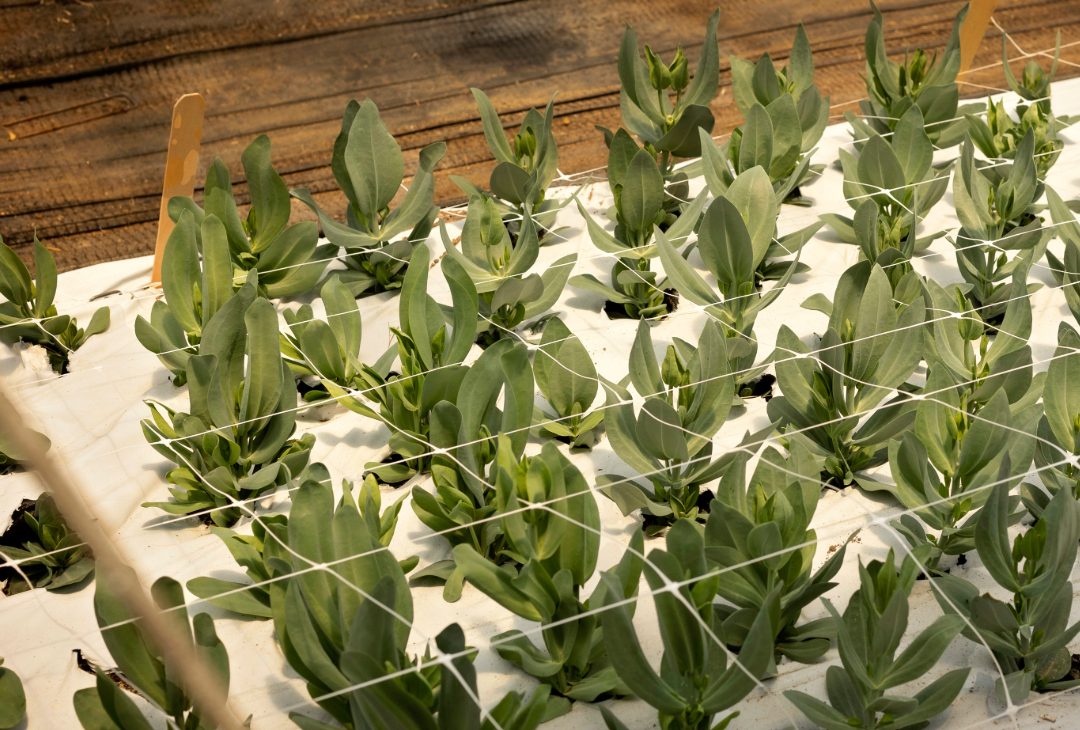

Seed R&D
Seed and crop R&D is just one component of what Johnny’s offers, but it’s an important one. The company serves a lot of small farms whose livelihoods depend on growing success. This translates brilliantly to home growing, because no home gardener ever complained about crops being too easy to grow.
The trip inspired me and also Brijette and Roger, whose San Diego-based seed company specializes in producing seeds for zones 9 and 10. One thing we learned is that Johnny’s is not as conversant in the intricacies of our zone and region as they are in other parts of the country, which will hopefully result in a collaboration between the two companies in terms of testing and trialing.
In Part Two of my Johnny’s Tour, I’ll take you behind the scenes in the warehouse and seed-packing facility.


Exciting article!
Author
Thank you! It was an exciting trip. 🙂
Thank you for sharing your east coast adventure. It must have been a great experience to see the various gardens and meet with plant people.
Author
Thanks! I took away so many ideas that it was almost overwhelming. But mostly I feel inspired!