Family, Friends & Food Bank: My Garden Plan for 2026 (And How to Build Yours)
December 19, 2025
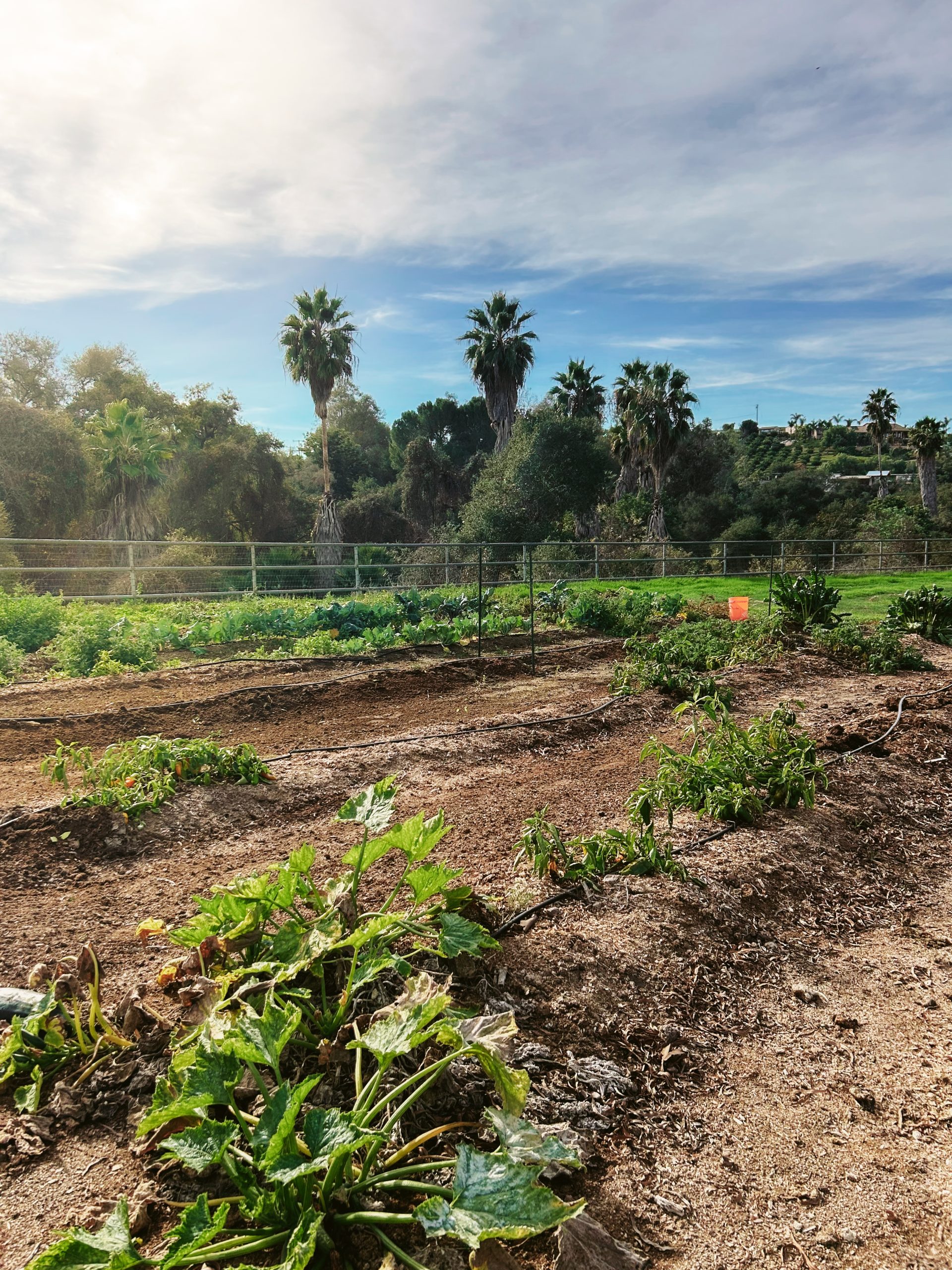
If you’ve been following along, you know my garden has a mind of its own. It started in my backyard (the original Chrissie’s Garden) and has since hopped the fence and scooted into my neighbor’s unused horse pasture.
For 2026, we’re going big: 12 25-foot rows in the pasture, plus an old corral I’ve commandeered for another six 15-foot rows. That might sound ambitious for someone with a full-time job, but it’s hard to show restraint when you’re surrounded by growing enablers. Take our neighbor Steve, who breeds dahlias and last year gifted us more than 100 cuttings and tubers. (He’s a genius, and you can soak up his wisdom in my dahlia care post.)
With a little consistent help, I think we can make this dream a reality.
My “Why” for Growing Big
Staring at this beautiful blank slate, I realized my goal wasn’t just to grow more stuff. I wanted to grow with intention. I find that thinking through your “why” is the most important step, so I’ll walk you through mine in case it helps you find yours.
This year, my garden is about:
- Nourishing my people: Filling our table and sharing with friends and neighbors.
- Growing for the community: Dedicating space to grow fresh, healthy food for local food banks.
- Sharing the joy: Teaching others how to grow, building community and offering a little inspiration along the way.
- Making it sustainable: Selling beautiful bouquets to offset the (hopefully minimal) supply costs.
- Feeding the pollinators: Giving our bees and butterflies a diverse buffet to enjoy.
Lessons from the 2025 Test Year
We did a trial run on this land last season. The setup was simple: make rows out of composted horse manure, lay down some drip tape and go. I bought a big bag of Dr. Earth’s organic fertilizer and scooped a cup into each hole as I transplanted tomatoes, peppers and squash.
At first, we saw some blossom end rot on the tomatoes. This wasn’t a surprise — manure is high in nitrogen, which can cause this exact issue. My dahlia guru, Steve, said to just wait it out, explaining that the plant was busy gathering calcium and the next fruit would be fine. He was right. The subsequent trusses produced hundreds of amazing tomatoes. It’s worth noting that back in Chrissie’s Garden, the more balanced soil in my hügelkultur beds produced perfect fruit from the very start.
I also decided to let go of my control-freak tendencies and direct-sow corn, pumpkins and winter squash. Usually, I start everything in trays, but I wanted to see what would happen if I just relaxed a little. They flourished! That experiment is what created the beautiful pumpkin patch we all enjoyed this fall. In fact, as I write this in mid-December, we’re still enjoying the last of the pumpkins and squash from the field.
The transplants of broccoli and cauliflower are also ready for harvest now. It’s a deeply satisfying feeling, and I’m sending a huge thank-you to the Christine in September who sat on a hot porch patiently starting these seeds.


The 2026 Strategy: Zones and Flows
A big plot is a different beast than my little home garden, where I can grab anything I need within a few steps of the house. I had to think strategically about placement to save my sanity. I landed on a zone system.
Zone 1: The Pumpkin & Winter Squash Patch (Rows 10-12) This will be the farthest from the gate. These crops take about 100 days to mature and, once established, are pretty self-sufficient. As long as they’re fed and watered (thanks, drip irrigation!), they can be left alone to do their thing until it’s time to harvest in the fall. To keep them happy, I’ll surround them with a row of flowers (Row 9) to ensure the pollinators are always nearby.
Zone 2: The Dahlia Patch (Rows 7-8) Next up, the dahlias. I’ll be harvesting these twice a week, so they don’t need to be right at the entrance. I love the visual impact of having them all together and can already picture the sunset photo ops. I even planned the rows to run east-to-west for the best golden hour light.
Zone 3: The Food Bank & High-Traffic Rows (Rows 1-6) This is the workhorse zone, closest to the gate for easy access.
- Row 1: Cherry tomatoes (daily harvesting!).
- Row 2: Slicer tomatoes.
- Row 3: Peppers.
- Row 4: Cucumbers.
- Rows 5-6: Corn (planted in a block for good pollination) and sunflowers.
Summer squash, another daily harvest item, will be planted at the ends of these rows for a quick grab-and-go. I’ll also tuck in some watermelon, eggplant, basil and marigolds throughout this zone to keep the pollinators happy and the pests confused.
A Note on Cool-Season Crops: If you’re wondering where the beets, broccoli, carrots and lettuces are, remember this is Southern California! Our cool-season crops here in Zone 10a are thriving right now in mid-December. They grow beautifully through January and February, but start to wane in March. That’s when we’ll flip those beds for the warm-season crops I’ve planned above.
Now, Let’s Plan Your 2026 Garden
For me, planning is half the fun. I always end up making changes, but having a broad sketch makes the whole season more enjoyable and productive. Here are a few questions to get you started:
- Who are you feeding? This is your “Family, Friends, Food Bank” question. If it’s just you and your family, plant what you love to eat. If you want to share with friends, plant extra cherry tomatoes — they’re easy to give away and everyone loves a super sweet variety like Citrine. If you’re thinking bigger, consider crops that produce a lot, like zucchini or green beans.
- What are your garden’s “tentpole events”? We host a Tomato Tasting party on the last Saturday of July, so I have to time my planting to have ripe tomatoes by then. I also love inviting people to the pumpkin patch in October, which means resisting the urge to plant pumpkins in April with everything else. Instead, I wait until June. Think about birthdays, holidays or parties where you’d love to have fresh flowers or food from your garden, and plan accordingly.
- What do you use most (and what needs the most attention)? Think about the crops that are either high-maintenance or that you harvest daily. Put those nearest to your kitchen door or wherever you have your morning coffee or tea, as long as the sun exposure is right. Easy access makes a world of difference.
Final Thoughts
A plan isn’t a rulebook; nature always has the final say (gophers, squirrels, heatwaves). But having a plan means you won’t wake up in June realizing you forgot to start your tomatoes from seed.
Whether you’re farming a pasture or a few pots on a patio, the goal is the same: to connect with the seasons, feed the people you love and maybe share a little extra with those who need it. Happy planning!