The Secret Clock of San Diego Flowers
February 2, 2026

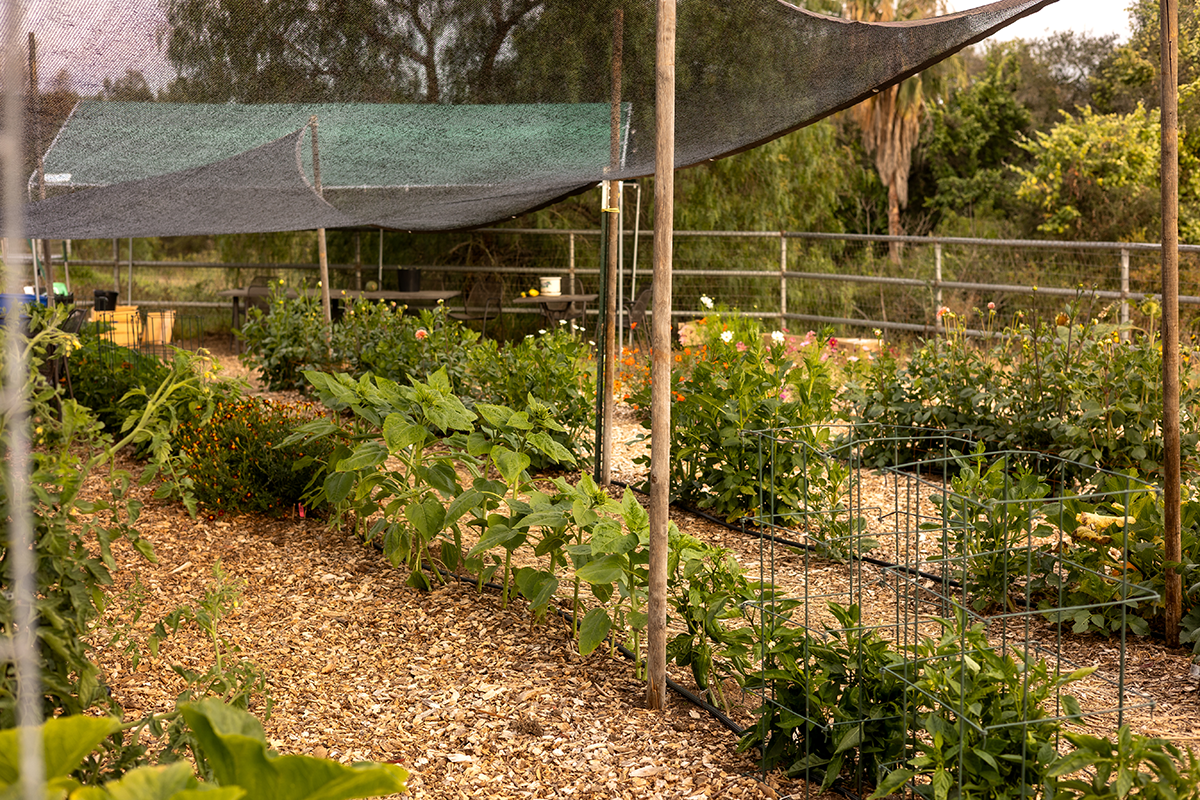
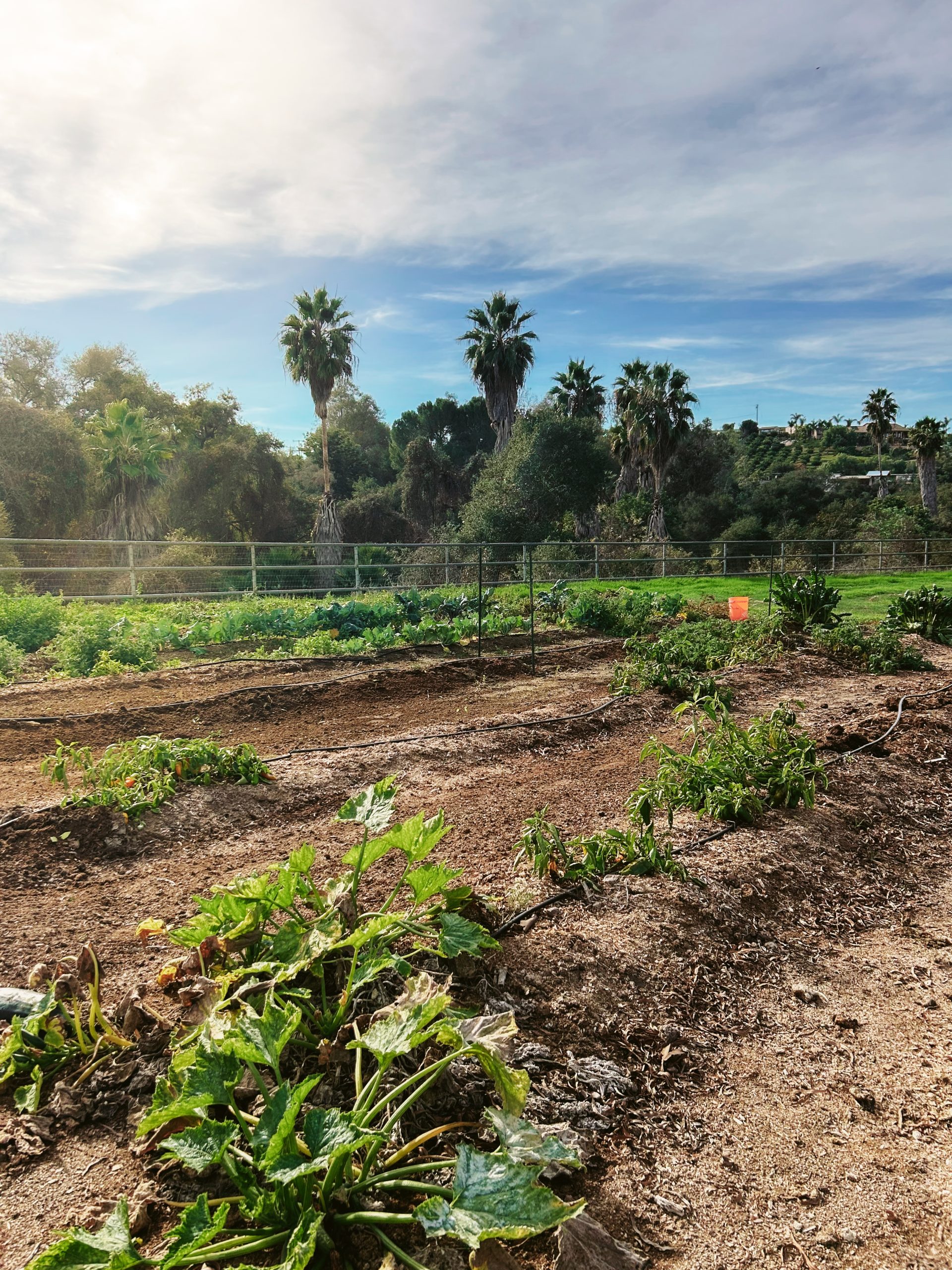
Every year, I find that some of my best gardening lessons come from the view between a horse’s ears. As I ride Rosie past the neighboring flower farms here in Bonsall, I get a front-row seat to local miracles that seem to defy standard gardening logic.
This year, two things stopped me in my tracks. In November, while temperatures were dropping across the country, our neighbors (on the flower farm) had the most beautiful cosmos in full bloom — tall, strong stems and vibrant flowers. Then in January, I saw rows of sunflowers just days away from opening.
It made me realize how much I still have to learn about timing in San Diego. For years, I attributed success to our mild temperatures and a basic understanding of Cool Season vs. Warm Season plants. But the real secret to producing professional blooms lies in something called photoperiod — and the fact that in San Diego, we have what’s known as a compressed photoperiod range.
Don’t worry if that sounds technical; I’m going to break it down with some flower-specific examples. Understanding this “secret clock” is the key to getting the best blooms in your own backyard.
What’s a Compressed Photoperiod?
Photoperiod is simply the amount of light versus darkness in a 24-hour cycle. Most plants use this as a hormonal trigger to know when to grow leaves and stems and when to produce flowers. You might think of photoperiod as the length of the day, but fun fact: photoperiodism actually refers to the length of the night, or the absence of light.
For short-day flowers like amaranth, cosmos and mums, shorter nights (longer days) signal vegetative growth, where as longer nights (shorter days) signal it’s time to bloom.
In the North (think Seattle or New York), the photoperiod difference between summer and winter is dramatic. They might have 16 hours of light in the summer and only 8 in the winter. But here at Latitude 32, our swing is much smaller. Our shortest day is about 10 hours, and our longest is about 14.
Because our photoperiod range doesn’t swing wildly, we’re better able to “blur the line” between seasons. However, we still have to respect the clock — or things go sideways.
When the Clock Breaks: Runt Blooms and Stalling
San Diego isn’t immune to photoperiod restrictions. If we ignore the light (and soil temp) needs of our plants, we run into three common mistakes:
1. The Runt Bloom (Premature Flowering)
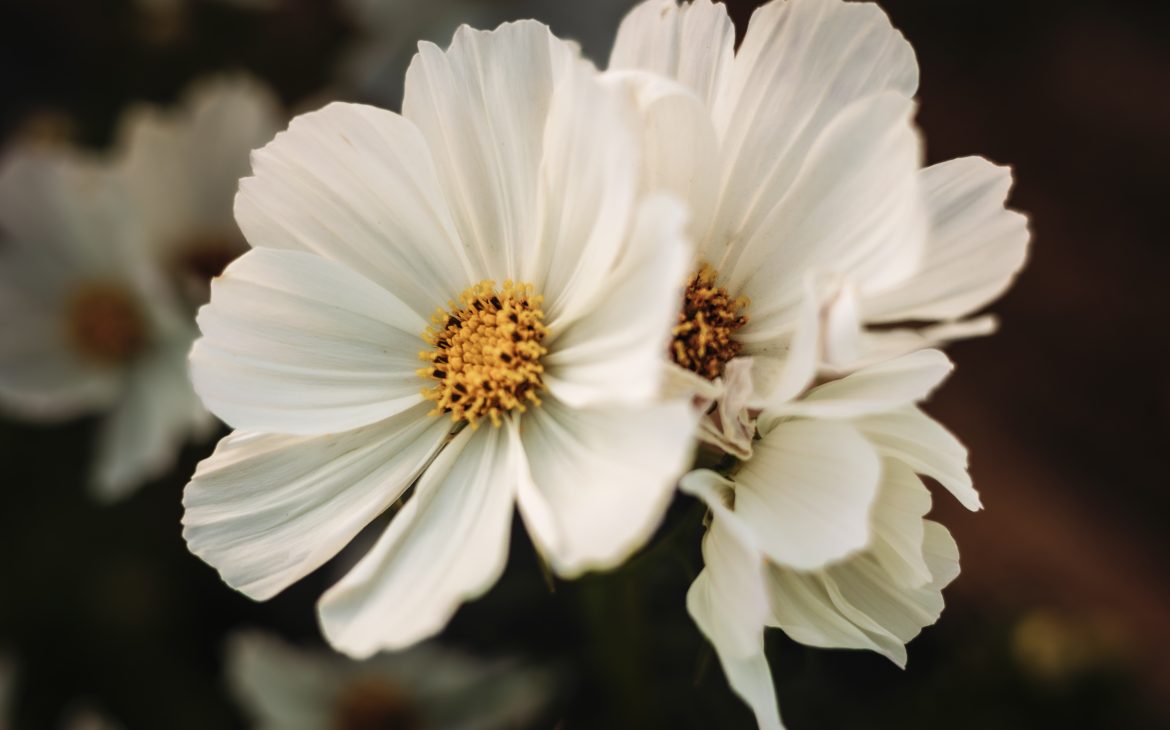
This happens when you plant a short-day plant, like cosmos, too early in the spring. The plant emerges, looks at the sky and sees that the nights are still quite long. Its internal clock screams, “Winter is coming! I need to reproduce now!”
Instead of growing a sturdy, four-foot frame, the plant bolts to flower when it’s only 10 inches tall. You end up with a tiny, spindly “runt bloom” that has no stem length for a vase.
Ask me how I know.
Last November, seeing the neighbors’ gorgeous cosmos, I rushed to seed my own. I figured they must be Cool Season flowers in San Diego (wrong) and I didn’t yet understand the photoperiod cycle. Now, in February, I have the smallest, saddest little cosmos blooms you’ve ever seen. They are so sad I don’t even want to take a picture!
The difference? Our neighbors grew the stems of their cosmos during the long days of summer, so the plants were huge and strong by the time the shorter days of fall triggered the flowers.

The Lesson: To get those powerhouse cosmos, you have to get the timing right. Our saving grace is the fact that where I live in Bonsall (North County San Diego), we only get one month of 14+ hours of daylight per year, running roughly from May 20th to June 22nd. Mature cosmos will flower regardless of photoperiod, but they prefer when day length is less than 14 hours. So I try to time cosmos seeding, especially succession planting, around that one-month window of less-than-ideal cosmos conditions. I have a few windows I’m trialing:
- Seeding (indoors in soil blocks) in January, maturing and blooming in April/early May. This has worked for me before.
- Seeding in April, maturing and blooming in July.
- Seeding in July, maturing and blooming in October/November. This is what my neighbors did last year to get those incredible November blooms. I will definitely be doing this in July – November 2026 as I can’t wait to have gorgeous deep-red ‘Rubenza’ cosmos on our holiday table.
2. Stalling (The Soil Temp Wall)
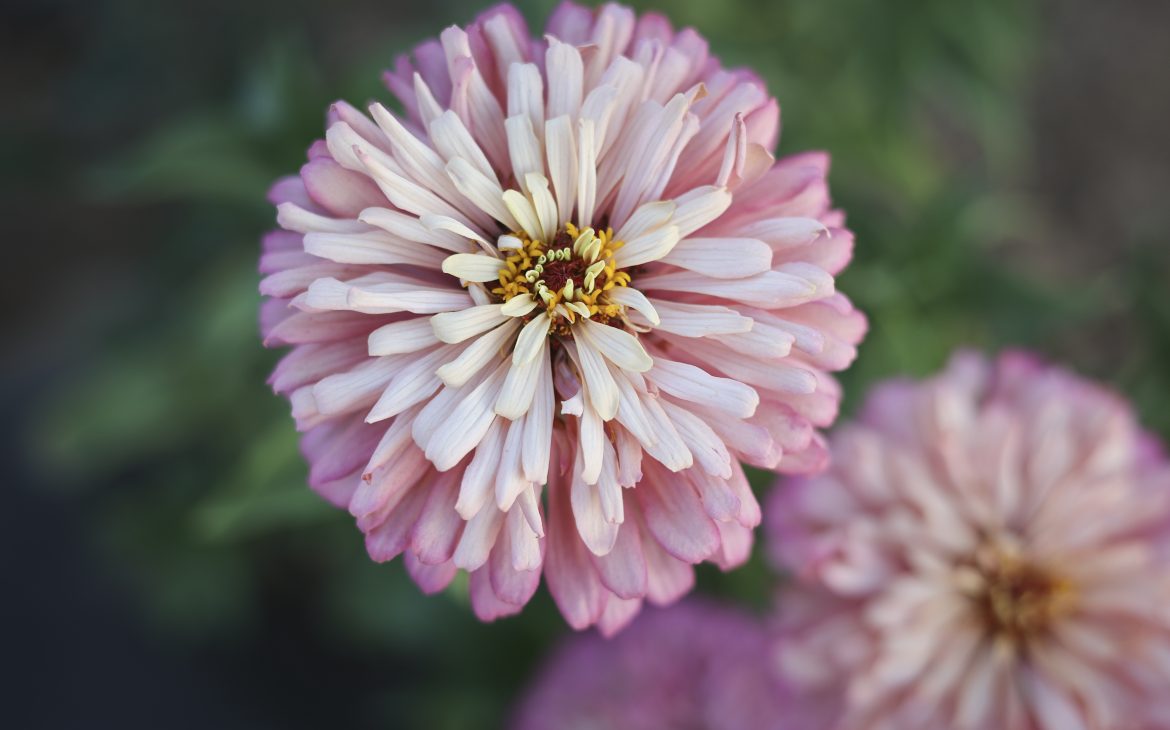
Sometimes the issue isn’t the light; it’s the “feet.” This is the nemesis of celosia, dahlias and zinnias. They are heat-lovers that care more about soil temperature than day length.
If you put a zinnia in the ground in March, even on a sunny day, the soil is still chilly (under 60°F). When you plant heat-lovers in cold soil, they stall. They sit in the garden, turn a sickly pale green and just stop. Because the plant isn’t actively growing, it becomes a magnet for pests and powdery mildew.
I resent this reality every year when I’m itching to start zinnias in February! But I’ve found that waiting until May to start them indoors, then planting them out in the warmer soil of June, yields much happier, healthier plants.

3. The False Spring Trigger
Welcome to my current world of Dahlia Horror.
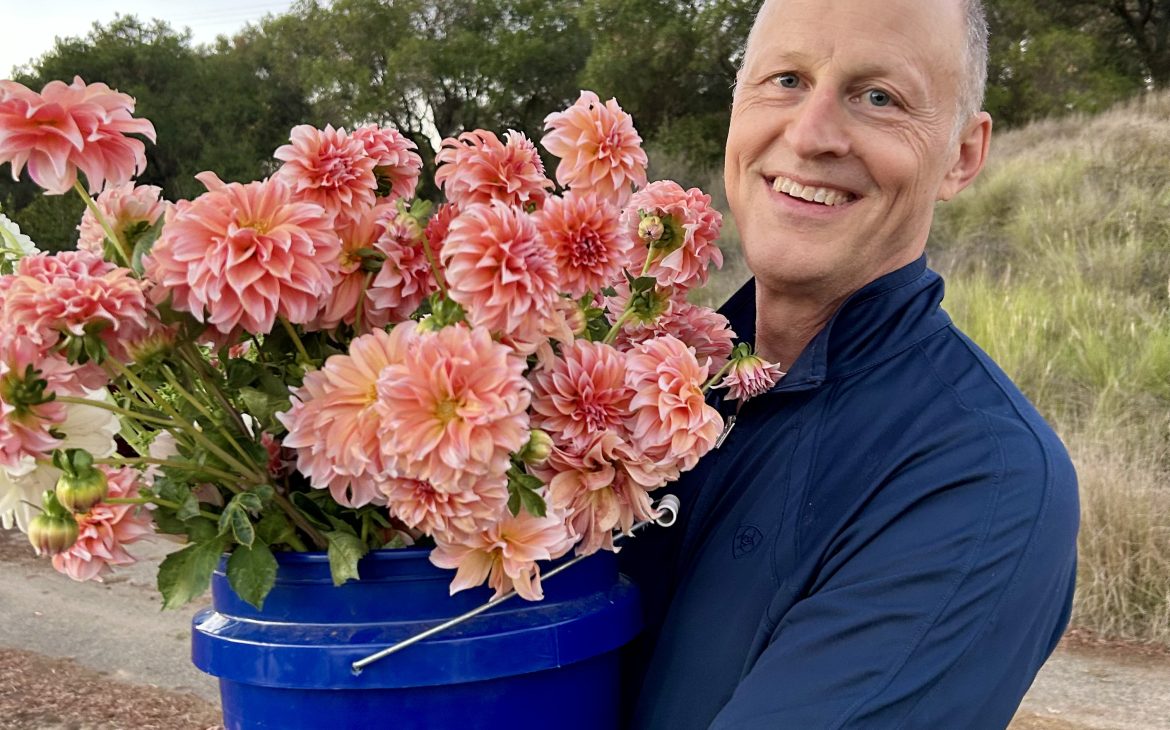
Last year, my neighbor Steve, a dahlia breeder, gave us more than 100 plants — including an incandescent variety called Peaches ‘N Cream. They produced generously into November. Eventually, I dug them up to relocate them to an even better part of the farm.
I did exactly what Steve told me: I tucked them away for a cozy winter hibernation. But to my horror, when I popped the lid off their container in January to check on them, I saw green sprouts. Because of our unseasonably hot January, 20% of the tubers had woken up early.
The Fix: Steve warned me not to put them in the ground yet. February rains and cold soil are a recipe for tuber rot. Instead, I’m potting them up in my sunroom under grow lights. I’m keeping the lights on for 14-16 hours a day, essentially “lying” to the plants and pretending it’s June. I need them to focus on building vegetation versus producing runt blooms.
By the time I transplant them in April, the natural day length will be closer to what they’ve experienced indoors. As for the other 80%? They are tucked in peat moss on the north side of the house—the coolest, darkest spot I can find—praying they stay asleep until spring.
Our rules are different
Living in Southern California means we don’t follow the same rules as the rest of the country. We have the gift of Latitude 32, a place where the days stay relatively steady and the soil rarely sleeps. But we still have limits and knowing them and the needs of our favorite flowers goes a long way to garden success.
Next time you’re out for a walk — or a ride — take a look at what’s blooming. The plants are always telling us exactly what time it is; we just have to learn how to read their clock.