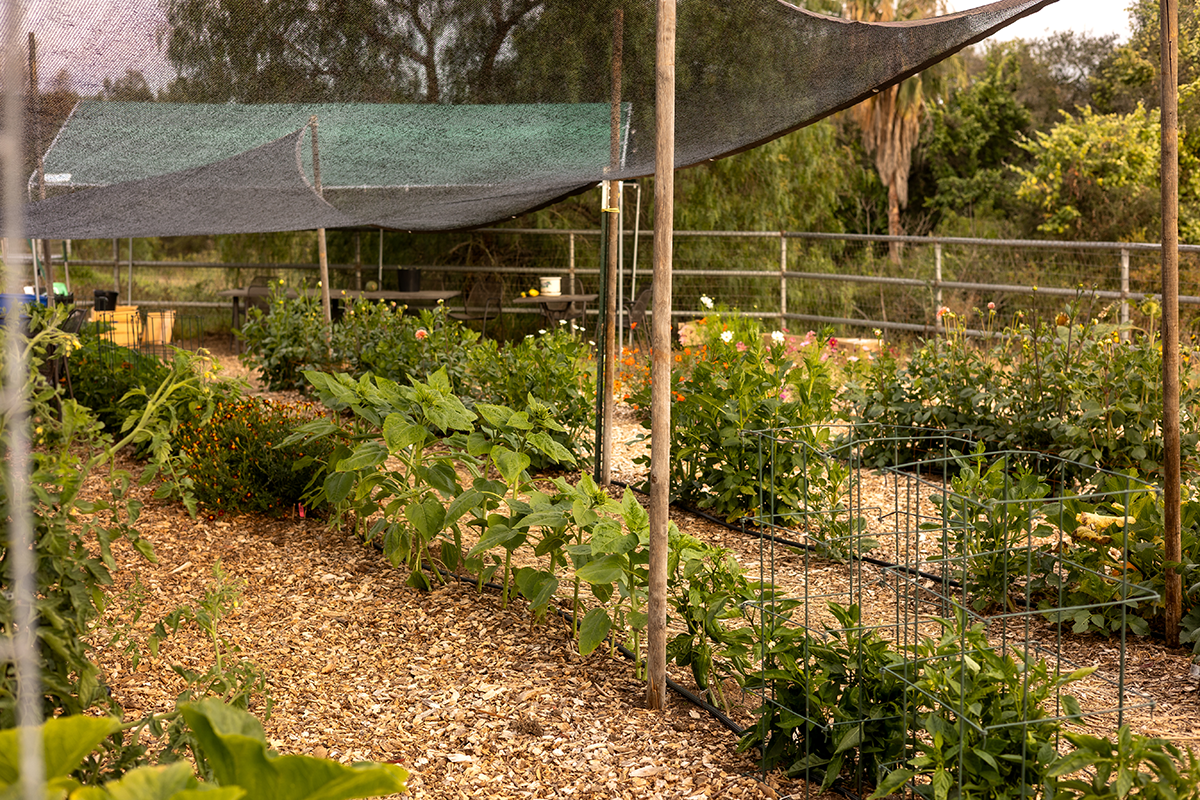
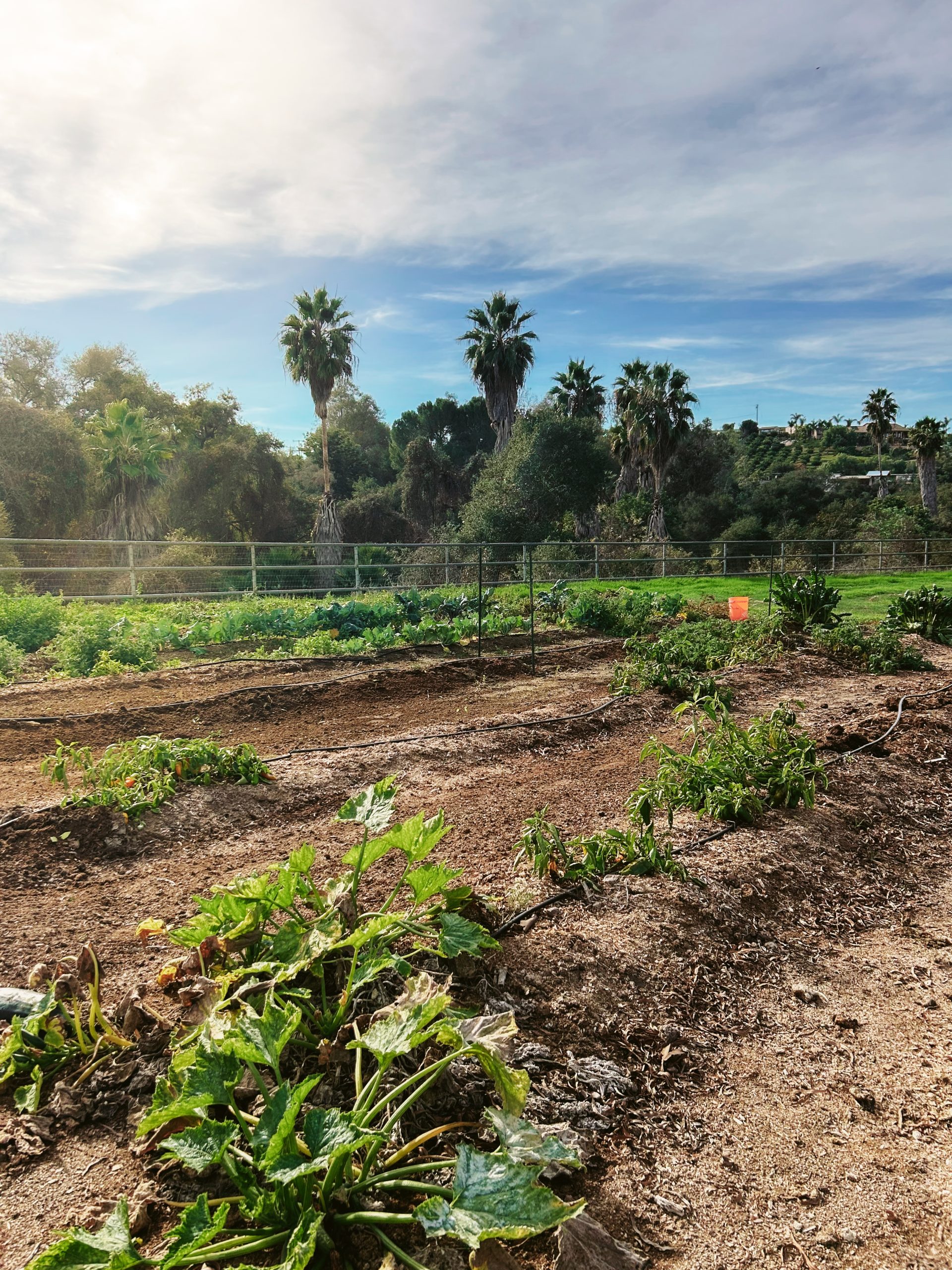
My $271 Johnny’s Cart: Why I Bought What I Bought
May 27, 2026

It’s a well-established fact that I’m a seed addict. And that my gardening friends are total enablers. This is what led me to spend nearly $300 on seeds.
My favorite seed companies are Johnny’s Selected Seeds and San Diego Seed Company. I have no endorsement deals with these fine establishments. Nor do I need an incentive to publicly worship great seed companies.
For this post, I simply wanted to share the euphoria and dopamine hit of my latest seed-buying haul — and try to explain my methodology. Or at least rationalize my seed-buying addiction.
By the way, the photos will show crops, not seed packets, since all Johnny’s packets look the same: white, green trim, logo and growing info. They sell online, mainly to commercial growers, so they don’t need pretty seed packets for retail buyers in stores to look at pictures and marketing copy.
When it comes to buying seeds, here are a few things that influence my reasoning:
1. What seed do I currently have in stock? While some people might think that going through their entire seed collection is tedious, I love it. I touch each and every packet and use the Marie Kondo method to identify what sparks joy in me. I give away the others. Doing this helps me in two ways. First, I can observe which types of seeds I often buy but don’t plant (herbs). Second, I can see which sections of my seed collection are thin and might need replenishing.
2. What seeds are on sale? I might have a variety in stock, but if I see it deeply discounted and I know the seed is a variety with a decent shelf life, I’ll purchase it, figuring I may not use it this year but will do so in 2027-28.
Many seeds were on sale recently, so I stocked up. Stored properly, seeds last a long time. Johnny’s seed viability guide says tomato seeds keep for 3 to 7 years, pepper seeds for 2 to 5 and squash seeds for 3 to 6. Johnny’s suggests refrigeration for seed storage, but I just keep seeds in the house with a desiccant packet in each box (1 box for warm season, 1 box for cool season and 1 box for flowers and herbs). Our indoor temperatures stay at a max of 74 to 76 degrees, and conditions are dry. This works perfectly for me and my seeds.
While most seeds have a decent storage life, there are a few that should be used within a year of purchase. Strawflower is one example. Onions are another. And a third is any type of pelleted seed. (I often purchase carrot and snapdragon seeds in pelleted form.)
3. What seeds can I already get from San Diego Seed Company (SDSC)? Some seeds are exclusive to SDSC. When both Johnny’s and SDSC offer the same variety, I prefer SDSC for better pricing (factoring in lower shipping) and local adaptation, meaning the seeds are harvested from plants grown in our region and thus may better tolerate our Southern California growing conditions (dry, poor soils and overcast, cool and foggy weather through May and June).
The Why Behind Johnny’s Selections
Whenever I’m evaluating new seeds, I consider taste, disease resistance and productivity.
Johnny’s serves commercial farmers, so their varieties are rigorously tested. For a farmer, crop failure isn’t just disappointing; it’s their livelihood. These varieties must perform. When I grow seedlings for my garden and seedling sales, I want my customers (and myself!) to feel successful. That starts with locally adapted seed or commercial-grade, high-yield varieties. (By the way, hybrid seed is not GMO seed. People often get that confused.)
For a farmer, a crop failing isn’t just disappointing; it’s their livelihood. These varieties must perform.
In my $271 haul, I chose proven, easy-to-grow, flavorful varieties — ‘Blush,’ ‘GinFiz’ and ‘Supersweet 100’ — and picked new varieties to evaluate for next year’s garden and seedling sales.


- ‘Black Prince’: This is a Siberian heirloom, and it’s already a star in our fields. It’s only early May, and I’m already seeing big, beautiful fruit on our plants. Because it’s a Siberian variety adapted to cooler conditions, I think it might be a good producer for friends growing in coastal San Diego who struggle with May Gray and June Gloom.
- ‘Lucky Tiger’: This one is from the trademarked Artisan line of tomatoes, meaning it was bred to grow in tough conditions. It’s related to the Blush tomato we already grow and love and yet gives us something different and beautiful to add to the garden next year.
- ‘Mochi’: I bought these seeds specifically because one of Johnny’s own growers marked them as his favorite out of the massive number of tomatoes they offer. It’s supposed to have a unique, gummy texture. I’m growing Mochi this year and hope I love it, because I’ve bought the seeds for next Spring!
Beyond the Tomatoes: Warm Season Workhorses & Blooms
My cart wasn’t just tomatoes. To ensure I had a good stock of productive, disease-resistant crops, I grabbed summer squashes: ‘Dunja,’ ‘Pantheon’ and the ‘Ball’ varieties (‘Cue Ball,’ ‘Eight Ball,’ ‘One Ball’). I’ve grown the Ball varieties before and started them for this year. I like these yellow, light green and dark green spheres. They look great together in a bowl and are fun to serve stuffed. In addition, a lot of Johnny’s hybrid varieties have powdery mildew resistance (PMR).


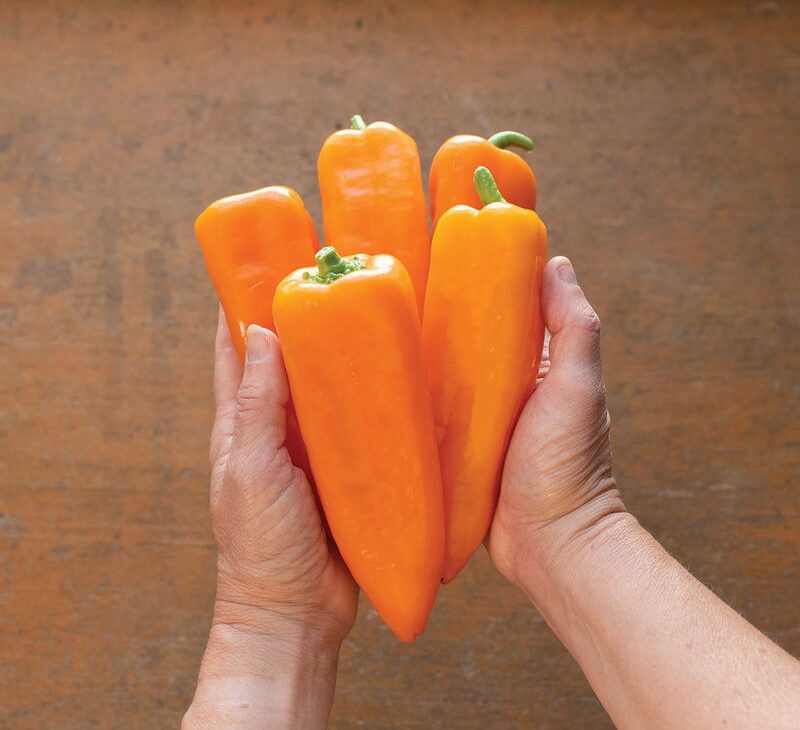

I also grabbed ‘Unagi’ cucumber seeds and sweet peppers like ‘Carmen’ and ‘Escamillo.’ These were favorites last year. (By the way, pepper seeds have a storage life of 2-5 years, which is not as long as other Solanaceae crops like tomatoes, but I’ll be growing all of these within the next 1 to 2 years.) I also picked up ‘Cornito Arancia,’ the orange sister of our favorite sweet small bullhorn pepper, ‘Cornito Rosso.’ Cornitos are expensive, so I was excited to get them at a third off. Speaking of expensive seed, I paid $51.55 for 50 ‘GinFiz’ seeds. That’s the semi-volume discount. I love this variety, and my repeat seedling sale customers do too.


I also stocked up on cut-flower seeds for beauty and pollinators. The haul included pelleted snapdragons (‘Potomac Plumblossom,’ ‘Johnny’s Early Sunrise Mix,’ ‘Costa Mix II’) and other selections.
- Lisianthus (‘Rosanne 2 Terracotta’ and ‘Rosanne 3 Brown’): I’m not sure if I love lisianthus yet. I grew them because people say they’re difficult to start from seed, and I couldn’t resist the challenge. This is my second year growing from seed. I’ll grow them one more time next year before deciding if they’ll stay in my rotation.
- Strawflower (‘Apricot/Peach Mix’): Strawflower seed must be fresh, so I only purchase strawflower in the year I’m going to plant it. Cat, my friend from Beeworthy Farms, shared a SoCal tip: seed strawflower in June for December blooms. I’ll try that this year.
- Eryngium (‘Blue Glitter’): I’ve grown this before and love it. Even though it’s a great cut flower, I rarely cut it for arrangements; bees love it and protest if I harvest eryngium.
- Marigolds (‘Coco Gold’ and ‘Bonanza Harmony’): I sold most of my marigolds at the seedling sales this year, so I wanted to start some for myself!
Strawflower seed must be fresh, so I only purchase strawflower in the year I’m going to plant it. And a bonus So Cal tip: Start strawflower in June for December blooms.
Growing commercial-grade seeds is an investment but seeing them thrive in my garden — and eventually in yours — makes every penny worth it.
If you’re local, keep an eye out for some of these varieties at next year’s seedling sales! And if you’ve ever thought about turning your own seed-buying habit into a neighborhood event, check out my e-guide on How to Sell Seedlings to get started.
The Haul
If you really want the full details on what I bought, here goes:
Warm Season Vegetables
Cucumber – Unagi ($6.75)
Pepper – Carmen (on sale for $5.81, down from $6.45)
Pepper – Cornito Arancia (on sale for $7.35, down from $11.45)
Pepper – Escamillo ($8.20)
Pumpkin – Cinnamon Girl (on sale for $1.69, down from $6.75)
Summer Squash – Pantheon (on sale for $3.05, down from $6.10)
Summer Squash – Dunja ($6.45)
Summer Squash – One Ball ($6.10)
Summer Squash – Cue Ball ($6.10)
Summer Squash – Eight Ball ($6.10)
Tomato – Black Prince (on sale for $2.20, down from $5.50); bought 2 packs
Tomato – Blush (on sale for $1.22, down from $6.10)
Tomato – GinFiz ($51.55 for 50 seeds)
Tomato – Honey Bee ($6.90)
Tomato – Lucky Tiger (on sale for $5.49, down from $6.10)
Tomato – Mochi (on sale for $7.48, down from $14.95)
Tomato – Supersweet 100 ($6.40)
Tomato – TY Yellow Mimi ($7.45)
Winter Squash – Blue Hubbard (on sale for $2.72, down from $6.80)
Winter Squash – Honey Bear Acorn (on sale for $2.58, down from $6.45)
Winter Squash – Marmalade Kabocha (on sale for $1.50, down from $6.00)
Flowers and Herbs
Eryngium – Blue Glitter ($6.40)
Lemon Balm – Mandarina (on sale for $2.48, down from $6.20)
Lisianthus – Rosanne 2 Terracotta ($9.15)
Lisianthus – Rosanne 3 Brown ($9.15)
Marigold – Bonanza Harmony ($4.95)
Marigold – Coco Gold ($5.95)
Matricaria – Magic Single ($6.40)
Rudbeckia – Indian Summer ($5.95)
Snapdragon – Potomac Plumblossom (pelleted) ($5.60)
Snapdragon – Johnny’s Early Sunrise Mix ($5.85)
Snapdragon – Costa Mix II ($6.20)
Strawflower – Apricot/Peach Mix ($5.00)
Cool Season Vegetables
Cabbage – Clarissa (on sale for $2.58, down from $6.45)
Cauliflower – Flame Star ($7.25)
Lettuce – Salanova Green Butter Pelleted ($7.70)
Summary
- Selecting the right seed company matters. Local seed companies (like San Diego Seed Company) offer regionally adapted varieties. Companies that sell to farmers (like Johnny’s) typically ensure seed freshness and restrict their catalog to the highest-performing varieties in all types of conditions.
- Seeds can last a long time, so if you see a favorite variety on sale, go ahead and buy it for next year’s garden.
- Most but not all seeds have a decent shelf life (stored in relatively cool, dry conditions). Strawflower is notorious for not storing well, so buy it in the year you plan to use it. Other short shelf-life crop seeds include corn, leeks and onions. In addition, pelleted seeds don’t last as long as non-pelleted seeds, so I typically purchase my Salanova pelleted lettuce seeds in the year I intend to plant them.
- I look through my existing seed collection, thin out anything I’m not wild about and choose new varieties to complement existing selections before hitting that Purchase button.
- I don’t think I’ve ever regretted buying seeds. It’s an investment in the future!