What We’re Doing Right (and Wrong) on the Farm
July 3, 2026
If you’ve been following my gardening journey, you know that my education truly accelerated when I started taking classes from Brijette Peña, the founder of San Diego Seed Company. I started with her seed-starting workshop and eventually completed her Urban Farmers Masterclass.
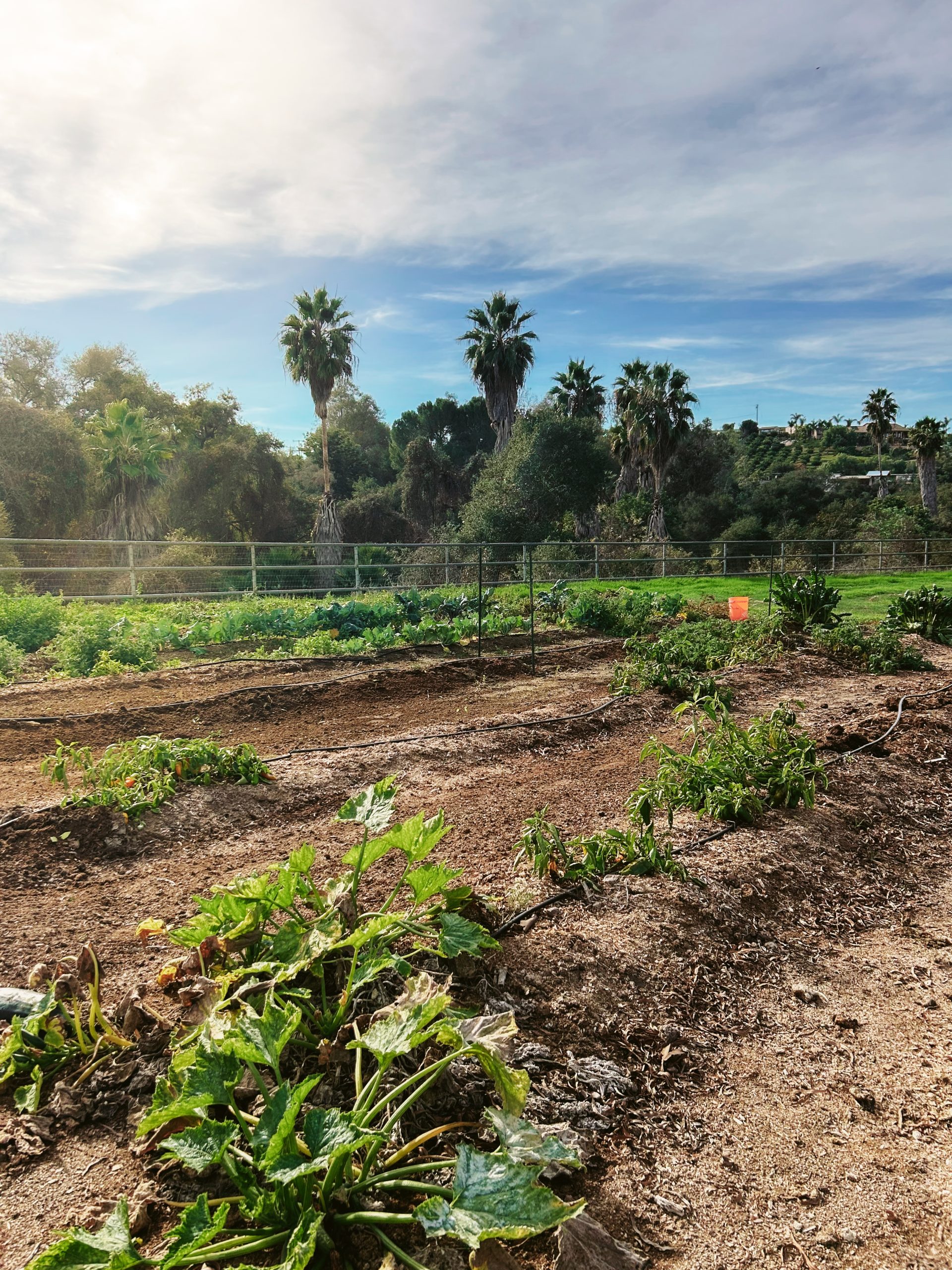
Recently, my farm journey came full circle. Brijette came out to Bonsall to tour our Three Mares Farm and see exactly what her student had built. She filmed a few amazing videos highlighting the farm, and I wanted to share a visual tour of the farm as well as the pro tips she called out that have made our Zone 10a farm such a success.


Tip 1: Irrigation First
When you’re building a farm from scratch in Southern California, you might be tempted to start building beds immediately. But as Brijette pointed out on her tour, your very first step must be irrigation. Hand-watering is never as consistent as a dedicated irrigation system. Consistent water isn’t just for the plants; it’s key to breaking down organic matter and building rich, healthy soil.
We use a variety of drip systems on timers. It’s what allows us to grow on our neighbor’s property without being there every day. We use drip systems and timers in our yard and garden at home too. We just don’t have the time or consistency to get out everyday and hand water. In addition, drip systems place water gently at the base of the plant, so you’re less likely to splash on the leaves and generate foliar issues like powdery mildew.
People often ask how often we water and for how long. I hesitate to give an answer, because what works on our farm is different from what works in some of our beds at home, in our landscape, etc. You have to factor in your soil (how well it holds or drains water), how much mulch you have (the more mulch, the less evaporation) and how dry and sunny your garden plot is. The best thing to do is trial and error. Water your garden for 20 minutes and then see how wet the soil is and how deep. And then how wet it is the next day before you water again. Keep adjusting based on the results in your garden bed or plot, keeping in mind that containers dry out more quickly than in-ground beds.


Tip 2: The “Moisture Pillows”
People are seriously freaking out on YouTube because Brijette held in her hand a dry piece of horse manure. I assure you, she will not get sick from this. She is simply espousing the incredible gift of horse manure, which she calls little “moisture pillows” because the pieces of manure soak up moisture and hold that moisture until it’s needed by the plants. We use composted horse manure over layers of recycled cardboard (which helps to smother weeds).
Because our farm is dedicated to the three beautiful thoroughbred mares who used to graze this exact pasture, using horse manure is incredibly fitting. Brijette notes you have to make sure the manure is from a trusted source and is Bermuda-free so you don’t introduce invasive grass seeds into your beds. In addition, we trash any manure from horses after they’ve been on medication. It’s rare, but we keep track. Over time, the manure continues to break down in the garden. Our soil is now so light and fluffy that when Brijette sat in a chair on the farm, the legs sank right into the gorgeous, dark earth!


Tip 3: Truckloads of Mulch
If you watch Brijette’s videos, you know her favorite phrase is, “Mulch, mulch, mulch, mulch!”
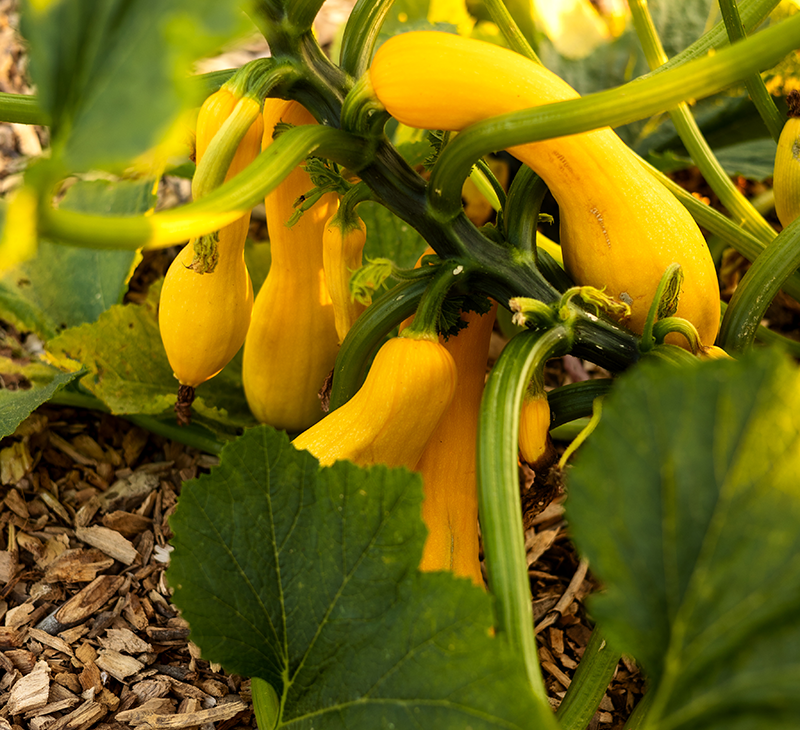
We listened and have applied massive truckloads of recycled avocado grove mulch to cover the farm. In Zones 9 and 10, 99% of the battle is retaining moisture. A thick layer of mulch holds in that moisture, keeps our pathways weed-free, prevents our topsoil from blowing away in hot, desiccating winds and acts as a substrate for beneficial microbiology. Plus, it gives the garden a beautifully finished look that I love.

Tip 4: 40% Shade Cloth
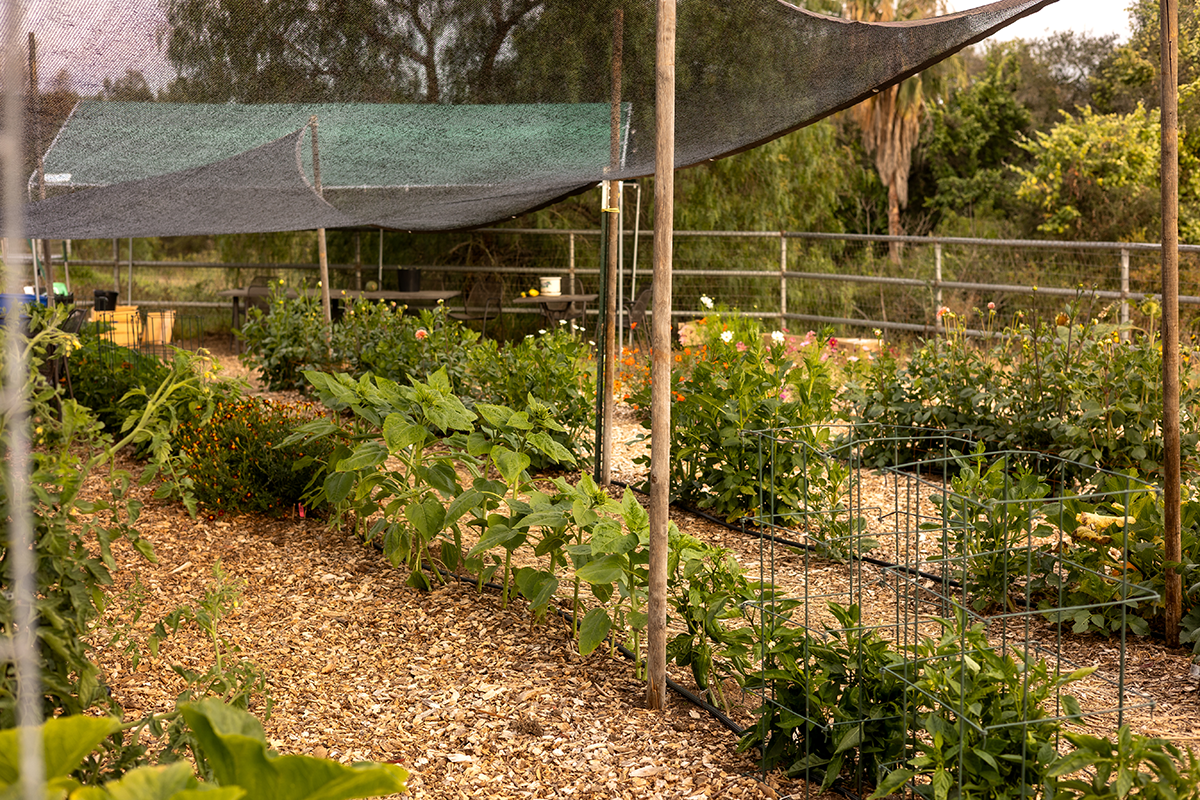
It’s hot in Southern California, and it seems to get hotter every year. To combat this, we utilize a 40% shade cloth over parts of the farm.
The shade cloth doesn’t rob the plants of their required hours of daylight; instead, it reduces the harsh intensity of the sun, which dramatically lowers soil evaporation. By giving the plants a little sunscreen, they are less stressed and the soil microbiology stays much happier.
The ultimate bonus? It creates a shaded, cool oasis that makes it incredibly enjoyable for me to sit out in the garden on a hot summer afternoon.
The Great Tomato Panic of 2026
And now, a tip on what not to do on your farm. I like to call it, “Christine’s great tomato panic of 2026.”
In early May, some of the tomato plants weren’t looking so great. There were some purplish leaves and the plants just seemed generally unhappy. Not all of them, but enough for me to worry. So, I started my research.
Let’s just say I should be banned from reading the University of California Integrated Pest Management website. It’s like when you have a mysterious symptom and you go down an internet rabbit hole until you’re convinced you have cancer. I became convinced that the tomatoes had a disease transmitted by insects that has yet to be found in Southern California. But I was sure my tomatoes had been stricken.
So, fearful that the illness would spread, I removed eight full tomato plants. Ripped them out completely. And then took a breath and said, “Hmmm. Maybe I should wait until tomorrow to reflect before I rip out more.”
I mentioned this to my neighbor and she said perhaps they don’t like the cold weather, especially with the shade cloth. Or perhaps we are overwatering. It was all of the above. We were overwatering. The weather was cool and the shade cloth made it worse. Right now, the shade cloth is such a blessing, so I don’t regret that. But basically we turned the water off for a few days and the plants got better. I also cut some suckers from healthy tomato plants in my garden and planted those cuttings to fill in gaps on the farm.


The moral of this story is that when you take my amazing advice and install irrigation, put up that shade cloth, use moisture-retaining composted manure and apply evaporation-preventing mulch, you may need to adjust your irrigation to use less water. A good thing and a good lesson.
Building this farm is a constant learning process. Have you ever misdiagnosed a plant in a panic? Let me know in the comments!